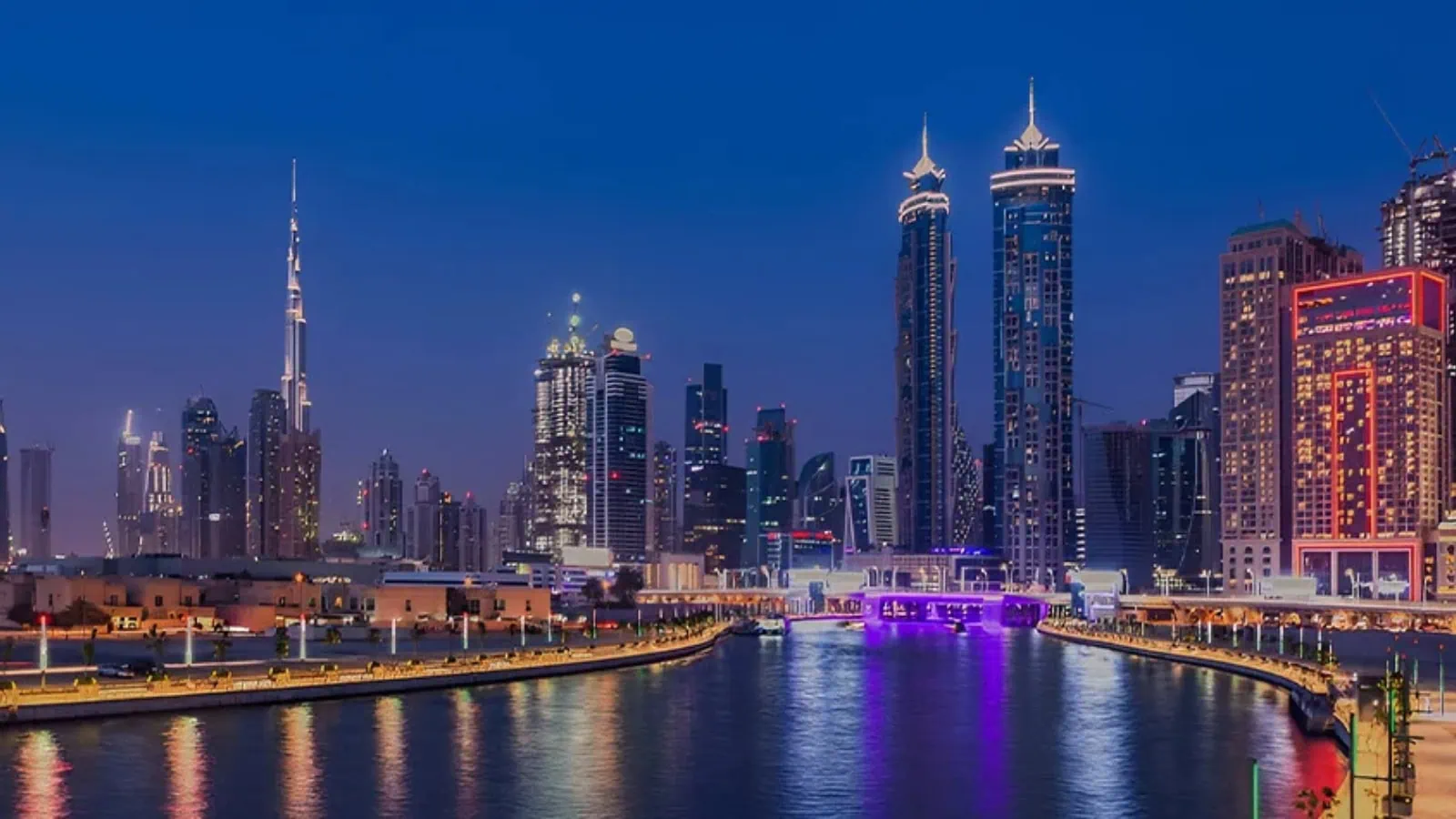
The UAE real estate market wrapped up 2025 on a historic high, powered by rapid population growth, strong foreign investment, and a resilient economic environment. As 2026 kicks off, the market is shifting out of its hyper-growth phase and settling into something more stable and predictable.
Economy Set the Stage for the Boom
GDP growth hovered around 4.9% in 2025, backed by booming tourism, non-oil expansion, and continued capital inflows. Business activity stayed strong, with PMI levels consistently above 54. The city continued pulling in residents at a staggering pace — Dubai alone added around 1,000 people a day. Nearly 10,000 new millionaires moved to the UAE, pushing luxury demand through the roof.
Dubai: Record Transactions, High Prices, and an Incoming Supply Wave
Dubai had another monster year.
• Q3 2025 recorded 55,300–59,000 transactions, the highest ever for that quarter.
• Off-plan dominated with over 70% of total activity, thanks to flexible payment plans and investor demand.
• Prices climbed roughly 16% year-on-year, especially in waterfront and branded communities.
The ready market slowed slightly as buyers became more price-sensitive, and that’s no surprise with the next big shift on the horizon: supply.
Between 2025 and 2027, around 150,000–250,000 new units are expected. That’s a lot. While it won’t tank the market, some mid-market communities may feel pricing pressure. Luxury districts remain insulated due to limited supply and global demand.
Rental growth also cooled from the madness of previous years. The market landed in the 8–12% annual range, and with more handovers coming in 2026, further stabilisation is likely.
Surveys show residents are shifting from renting to ownership, with more than half saying they plan to buy within three years.
Commercial Market: Still One of the Tightest in the World
Grade A offices hit 94% occupancy, and rents jumped almost 29% year-on-year. Transaction values surged 87% in Q3, mainly driven by off-plan commercial projects. With almost no major supply arriving before 2027, landlords will stay firmly in control.
Abu Dhabi: Controlled Supply, Explosive Demand
Abu Dhabi had its best-ever year.
• Q3 saw 7,154 transactions, a huge 76% jump.
• Off-plan made up 73% of the activity, with islands like Fahid and Al Hidayriyyat driving demand.
• Some off-plan apartment values surged over 270%, thanks to limited launches and strong absorption.
Rentals grew 11–13% in prime areas, and ADGM office occupancy nearly hit full capacity with top-tier spaces priced above Dh3,000 per sqm. The emirate’s disciplined approach to supply continues to pay off, giving it strong footing for 2026.
Northern Emirates: Fast Growth and Tourism Boost
The Northern Emirates ramped up in 2025 with 13,000+ new units launched in Q3 alone.
• Ras Al Khaimah saw 18% price growth and rising demand tied to Al Marjan Island and the upcoming Wynn Resort.
• Sharjah saw 12% growth, driven by families seeking affordability.
• Al Ain stayed stable with government-backed community projects.
Luxury coastal developments in RAK attracted global attention, with some reporting up to 80% international buyers.
2026 Outlook: More Supply, More Stability, More Realism
With a wave of completed units hitting the market, 2026 is shaping up to be more balanced. Prices in some mid-market communities may correct up to 15%, but luxury, waterfront, and prime districts remain solid due to constrained supply and international inflows.
Commercial real estate stays tight, population growth continues, and investor confidence remains strong thanks to better transparency and stricter project oversight.
The UAE enters 2026 not with hype, but with controlled, steady momentum — the sign of a maturing, long-term market.